Many homeowners rely on familiar routines when maintaining their homes, even when those habits are based more on tradition than effectiveness. These patterns often continue simply because they feel easy and familiar.
Over time, these assumptions can shape daily upkeep in ways that are not always efficient. What seems helpful in the short term may lead to inconsistent results later.
Why Home Care Myths Form in Everyday Life
Home care myths often begin as simple shortcuts that appear to work at first. Because the results are immediate, they are repeated and shared without question.
As these habits spread, they become part of regular routines. Eventually, they are treated as standard practice even when better methods exist.
Common sources of outdated habits
- Advice passed through family routines
- Short online tips without full context
- Misinterpreted product instructions
- Quick fixes that only solve surface issues
Recognizing where these habits come from helps homeowners rethink daily routines.
Where Inefficient Habits Show Up at Home
Many myths influence small, repeated tasks that seem harmless on their own. Over time, these habits can affect overall consistency in home maintenance.
Because they are part of everyday routines, they often go unnoticed. The impact builds gradually rather than immediately.
Areas most affected by routine misconceptions
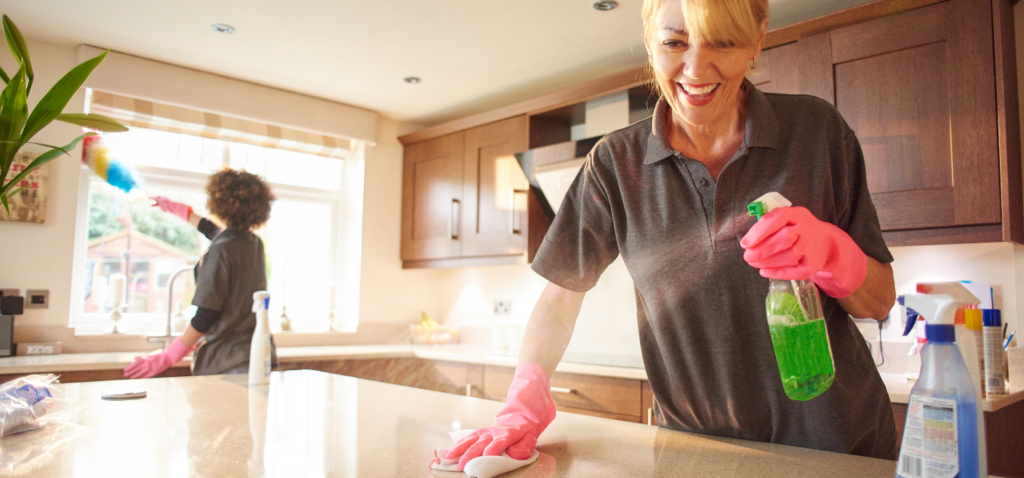
- Kitchen counters and preparation spaces
- Entryways with frequent foot traffic
- Shared living areas
- High-touch household surfaces
These areas often reflect the long-term effects of daily habits.
Common Mistakes That Reinforce Cleaning Myths
Some habits continue because they feel productive, even if they are not efficient. Over time, they can lead to unnecessary repetition and wasted effort.
For example, repeating tasks without structure can make upkeep feel more complicated than it needs to be.
Inefficient habits homeowners repeat
- Cleaning without a consistent order
- Overusing cleaning products
- Switching methods too frequently
- Skipping routine maintenance steps
For homeowners looking to improve consistency, structured recurring cleaning support like can help reinforce better long-term habits.
Smarter Approaches to Daily Home Routines
Better home maintenance does not require more effort, only better structure. A consistent process helps reduce confusion and repetition.
When tasks follow a predictable order, they become easier to manage and maintain over time.
Practical ways to improve consistency
- Follow the same routine sequence each time
- Group similar tasks together
- Focus on one area before moving to another
- Keep essential tools organized and accessible
These adjustments help create smoother and more efficient routines.
Why Awareness Leads to Better Long-Term Results
Once homeowners recognize common myths, they can begin replacing them with more effective habits. Awareness helps reduce unnecessary effort and improves consistency.
Small changes in daily routines often lead to noticeable improvements over time.
Frequently Asked Questions
Why do home care myths stay so common?
They are repeated over time and often appear effective at first.
Are traditional cleaning habits always outdated?
Not always, but some may need adjustment for better results.
How can I tell if a routine is ineffective?
If results are inconsistent or require repeated effort, the method may need improvement.
Do small habit changes really make a difference?
Yes, even small improvements can significantly increase efficiency.
Why do some tasks feel never-ending?
It is often caused by lack of structure or inconsistent methods.
What is the easiest way to improve home routines?
Following a consistent and repeatable process is most effective.
Can better habits reduce overall effort?
Yes, structured routines usually save time and energy over the long term.
Conclusion
Home care myths can quietly shape daily routines without homeowners realizing their impact. By understanding these patterns and adjusting habits, maintaining a home becomes more efficient and consistent. Legion Of Clean AZ shares insights like these to support better home awareness, and more information is available.
Quote Form (Popup)
"*" indicates required fields